




Almost half of UK headteachers say their school has been targeted by criminals creating deepfake images of pupils and threatening to post them online, a new survey by a Norfolk firm has found.
The new report by Aidos - a Norwich-based company aiming to safeguard schools and students from image abuse - found 49pc of 500 headteachers surveyed have experienced an incident in which pictures of pupils have been misused, manipulated or used as part of an extortion or blackmail attempt.
It comes as UK child-protection agencies are warning about the new threat of criminals scraping photos of children from school websites and social media, then using artificial intelligence (AI) tools to create hyper-realistic sexual abuse images for blackmail and exploitation.
Six of the 14 headteachers in Norwich who took part in the survey said their school had experienced an incident in which pupil images were abused.
In the east of England, 15 out of 47 headteachers admitted to their institution being targeted.
The Internet Watch Foundation, which works to block the distribution of such material, identified more than 8,000 AI‑generated child sexual abuse images and videos last year - a 14pc increase from 2024.
Meanwhile, AI‑generated videos jumped from 13 cases in 2024 to 3,443 in 2025.
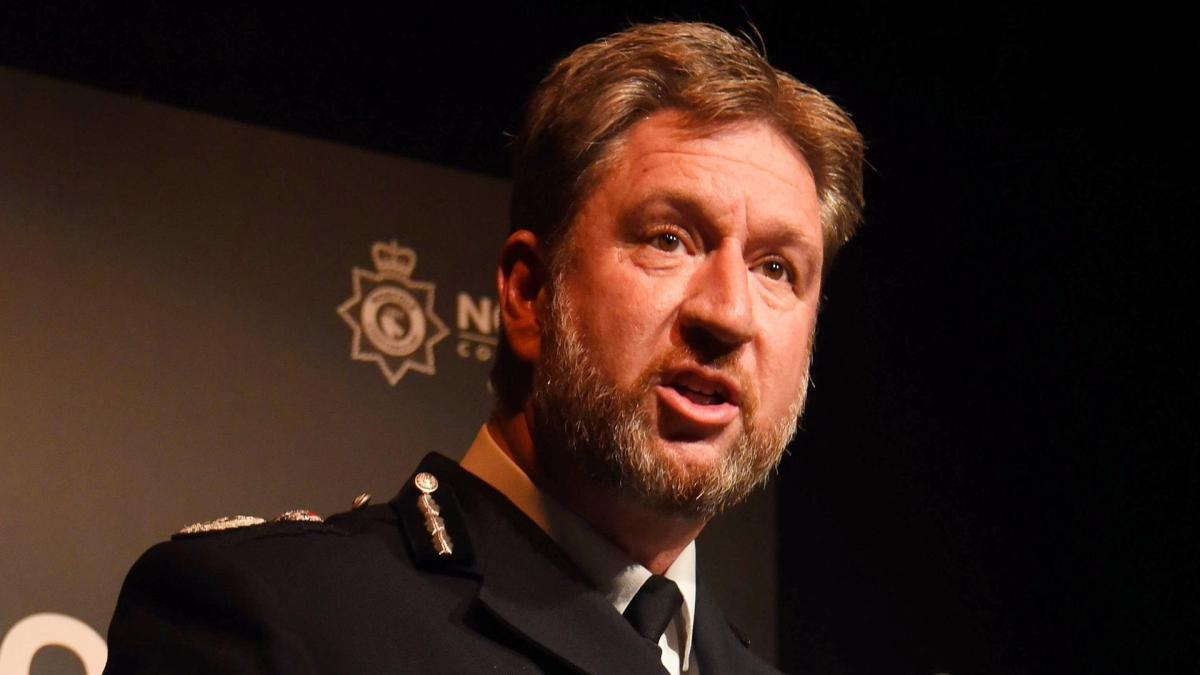
Simon Bailey CBE, a former national policing lead for child protection and ex-chief constable of Norfolk, who stepped down in 2021, said he has "never seen a threat to children escalate as fast as this one".

"The online sexual abuse of children is reaching pandemic levels, and the emergence of AI is fuelling the demand in ways that existing safeguarding frameworks were simply never designed to address," he warned.
Aidos’ In Plain Sight report found that 54pc of headteachers have personal concerns that images published by their school could be vulnerable to AI misuse.
More than two-fifths (45pc) said they had received a direct complaint from parents or carers.
However, fewer than half (43pc) said they would feel confident knowing what steps to take if their school was held to ransom over manipulated images of pupils.
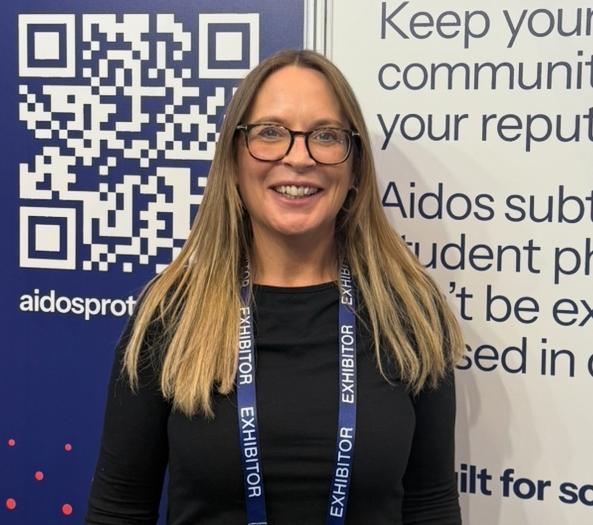
Carole Osborne, founder and CEO of Aidos, said the findings are “sobering but not surprising”.

“Schools are sharing images in good faith, as they always have, and most are doing everything existing safeguarding frameworks ask of them,” she said.
“The problem is those frameworks were designed before criminals had access to AI tools capable of turning an innocent school photograph into something deeply harmful within minutes.
“That is not a failure of schools; it is a failure of pace.”
Aidos is a safeguarding platform built to protect children’s identities in school photography.
Unlike blurring or pixelation, Aidos permanently removes a child's real face from an image and replaces it with a completely new, artificially generated identity.
The replacement is matched for lighting, skin tone and context, appearing like a natural photograph. The warmth and authenticity of the original is preserved, but no real child can be identified from it.

“We are not asking schools to stop sharing images,” Ms Osborne said. “We are asking them to share these safely.
“Every photograph of a prize day, a sports day, a school play - Aidos protects it before it leaves the school's hands. Schools should not have to choose between celebrating their children and protecting them.
“This is not a tomorrow problem and the findings from our new report make that impossible to ignore. I hope they prompt every school leader who reads it to act - not next term, but now.”

In May this year, the Early Warning Working Group, which includes the Internet Watch Foundation, National Crime Agency, National Society for the Prevention of Cruelty to Children and Childnet, issued guidance recommending that schools remove face-on images of pupils from their websites and social media entirely, replacing them with photographs taken from a distance, blurred images or portraits taken from behind.

The group also warned schools against publishing any identifiable information, including names or faces, that could be used to harm or blackmail an individual.
It followed a confirmed case involving one unnamed UK secondary school in which 150 images that met the legal definition of child sexual abuse material (CSAM) under UK law were produced.
And it is not only children being targeted.
Alderman Peel High School, in Wells, contacted Norfolk Police earlier this year after fake profiles of staff were posted on a sex website and began circulating among students and parents.
Believing the profiles were genuine, parents contacted the school to complain.
The chief executive of the Wensum Trust, which runs the school, wrote to parents to confirm the profiles are fake.
Mr Bailey, who has spent 35 years in policing, is now an advisor for Aidos.
"These findings show that school leaders know this is happening, and that most do not yet feel equipped to respond to it," he said.
"That gap needs to close. I would urge every headteacher in the country to ask themselves one question: if a parent came to me tomorrow and asked what I have in place to protect their child's image, what would my answer be?
"If the answer is not a confident one, it is time to act."


Share